
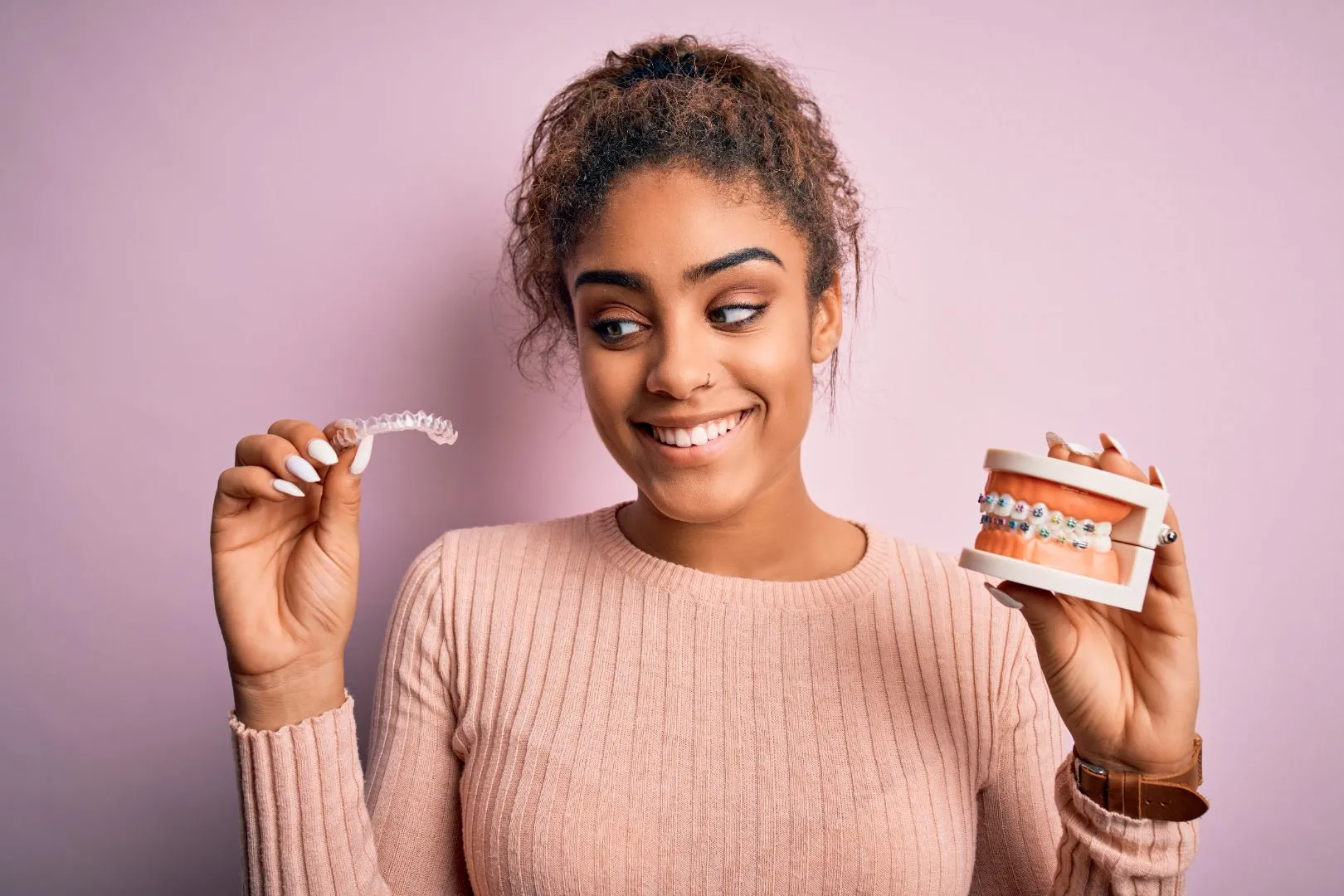
If you've ever wondered whether you missed your window for a straighter smile, here's the good news: adults of any age can get braces. Healthy teeth can be moved at any stage of life, and you're far from alone in considering this option. At White Brown Smiles, we see a growing number of adults walking through our doors, ready to start something they've been thinking about for years. Braces aren't just for teens anymore. According to the American Association of Orthodontists, a growing number of orthodontic patients today are adults.
So what brings adults to the orthodontist's chair? The reasons vary. Some want to address crowding or spacing that has bothered them for years. Others are dealing with bite concerns like overbites, underbites, or crossbites that affect how their teeth come together. Jaw alignment can also play a role, especially when it contributes to discomfort or uneven wear on teeth.
Modern options have come a long way. Today's braces are smaller, more comfortable, and more discreet than what you might remember from middle school. Invisalign and Spark clear aligners have made treatment possible in ways that simply didn't exist a generation ago. Adults no longer have to choose between living with misaligned teeth or wearing highly visible metal brackets.
Whether you're 25 or 65, your smile goals are valid, and because everyone deserves a beautiful smile, there's likely an approach that fits your lifestyle, budget, and needs.
How Adult Orthodontic Treatment Works: What to Expect
Adult orthodontic treatment starts with a complimentary consult, followed by 12 to 36 months of active care with visits every 4 to 8 weeks, and wraps up with a retention phase to lock in your results. Here's a closer look at each step.
What Happens During the Initial Consult?
That first visit typically includes digital imaging of your teeth and jaw, a detailed bite analysis, and a conversation about your goals. Digital imaging technology captures a full picture of your dental structure, including tooth positioning, root alignment, and jaw relationship, all without the mess of traditional molds. A board-certified orthodontist will use this information to create a plan built around your specific needs.
How Long Does Treatment Take for Adults?
Timelines for adults generally range from 12 to 36 months, depending on the complexity of your case. Mild crowding or spacing often resolves more quickly, while significant bite corrections or jaw alignment concerns may take longer. The team at White Brown Smiles will give you a realistic estimate based on your unique situation during your complimentary consult.
Here's something many adults don't realize: you may need some dental work before starting treatment. Cavities should be filled, and any active gum disease needs to be under control. Teeth need to be healthy before they can move safely and effectively.
Once things get started, regular check-in visits are scheduled every 4 to 8 weeks. These visits allow the orthodontist to monitor progress, make adjustments, and confirm everything is moving according to plan. They're quick, too, often lasting just 15 to 30 minutes.
The retention phase comes after braces come off or you finish your aligner series. This step is critical, and it's one that adults sometimes underestimate. Retainers keep teeth in their new positions while the bone and tissue stabilize around them. Skipping this phase can undo months of progress. Commit to wearing retainers as directed, and your results will hold for years to come.
Benefits of Getting Braces as an Adult
Adult braces offer more than a cosmetic upgrade. Here's what proper alignment can do for you:
- Easier oral hygiene from properly aligned teeth
- Relief from jaw discomfort and TMJ symptoms through bite correction
- Long-term protection against uneven wear and tooth damage
- Increased confidence in professional and social settings
- Potential airway improvements for those with breathing concerns
How Does Alignment Improve Oral Health?
Straighter teeth aren't just about appearance, though that's certainly a welcome bonus. When teeth are properly aligned, they're simply easier to clean. Crowded or overlapping teeth create tight spaces where plaque loves to hide. Straightening them out means your toothbrush and floss can do their jobs more effectively, reducing your risk of cavities and gum disease over time.
Can Braces Help With Jaw Discomfort and TMJ Symptoms?
Bite alignment matters more than many people realize. When teeth don't come together properly, it can strain jaw muscles and joints. This strain often shows up as jaw discomfort, frequent headaches, or TMJ symptoms. Correcting the bite through orthodontic treatment can bring real relief from these ongoing concerns.
What About Confidence and Long-Term Tooth Protection?
Then there's the confidence factor. A smile you feel good about can change how you carry yourself in professional meetings, social gatherings, and everyday interactions. Many adults report feeling more self-assured after completing treatment, and that boost extends far beyond their appearance.
Proper alignment also protects teeth long-term. Misaligned bites cause uneven wear, which can lead to chips, cracks, and premature breakdown of tooth structure. Investing now can save you from more extensive dental work down the road.
For some adults, orthodontic care addresses airway-related concerns as well. When the jaw or dental arches don't develop properly, it can lead to narrowed airways. This may result in breathing difficulties such as snoring, mouth breathing, or even sleep apnea. Airway-focused orthodontics can help open things up, improving both breathing and sleep quality.
Adult Braces Options Compared: Traditional Braces vs. Clear Aligners vs. More
Today's adults have more orthodontic options than ever before. Understanding the differences helps you make an informed choice that fits your lifestyle and smile goals.
| Treatment Type | Visibility | Best For | Key Features |
|---|---|---|---|
| Traditional Metal Braces | Most visible | Complex cases, all severity levels | Most versatile, typically most affordable |
| Ceramic Braces | Less noticeable | Moderate to complex cases | Tooth-colored brackets blend with teeth |
| Invisalign Clear Aligners | Nearly invisible | Mild to moderate cases | Removable, comfortable, discreet |
| Spark Aligners | Nearly invisible | Mild to moderate cases | TruGEN material for clarity and comfort |
Traditional Metal Braces
Traditional metal braces remain the most versatile option. They can handle everything from simple crowding to complex bite corrections. Modern metal braces are smaller and more comfortable than older versions, and they're typically the most affordable choice. Because they're bonded to teeth, they work around the clock.
Ceramic Braces
Ceramic braces function like metal braces but use tooth-colored or clear brackets that blend with your natural teeth. They're a popular middle-ground option for adults who want the reliability of traditional braces with a more subtle appearance. Keep in mind that ceramic brackets can be slightly more fragile than metal ones.
Invisalign Clear Aligners
Invisalign clear aligners have changed the game for adult orthodontics. These custom-made, removable trays are nearly invisible when worn. You can take them out to eat, brush, and floss, which many adults appreciate. Invisalign works well for mild to moderate alignment concerns, though complex cases may still require traditional braces.
Spark Aligners
Spark Aligners offer another clear aligner option with some distinct advantages. Made with TruGEN material, Spark aligners are designed for exceptional clarity and comfort. They're stain-resistant and provide a snug fit that many patients find comfortable for all-day wear. The material stays clear longer than many competing aligner brands, which matters for adults who want discretion throughout their treatment.
So how does the orthodontist determine which option is right for you? It comes down to the specifics of your case, your bite complexity, your aesthetic preferences, and how your daily routine factors in. During a complimentary consult at White Brown Smiles, the team will walk through each option, explain the trade-offs, and recommend the approach that best addresses your specific concerns.
How Much Do Adult Braces Cost? Key Factors That Affect Pricing
Adult braces typically range from several thousand dollars depending on the case, with most patients falling somewhere between $3,000 and $7,000 or more. Several factors influence where your cost lands within that range, and understanding them helps you plan and budget effectively.
Treatment Type
Treatment type plays a significant role. Traditional metal braces are generally the most affordable option, while ceramic braces cost slightly more due to the materials used. Clear aligners like Invisalign or Spark often fall at the higher end of the range, reflecting the technology and customization involved.
Case Complexity
What makes one case more expensive than another? Case complexity is the biggest cost driver. Simple spacing or mild crowding requires less time and fewer adjustments than severe bite corrections or significant jaw alignment concerns. More complex cases mean more visits, more materials, and a higher overall investment.
Treatment Duration
Treatment duration directly affects cost as well. A 12-month plan will typically cost less than one lasting 24 or 36 months. The team can give you a timeline estimate during your complimentary consult.
Most orthodontic practices understand that cost matters. Many offer flexible options that spread the investment over the course of treatment. Low down payments and 0% financing make monthly payments manageable for many families.
Don't forget to check your dental insurance benefits. Many plans cover a portion of adult orthodontics, though coverage amounts vary widely. Some plans have age limits or lifetime maximums, so verify your specific benefits before getting started. The White Brown Smiles team can often help you understand what your insurance will cover and walk you through available payment options.
Are You a Good Candidate for Adult Braces?
Most adults with healthy teeth and gums are good candidates for braces. Conditions like crowding, gaps, overbites, underbites, crossbites, and jaw alignment concerns are all treatable. Existing dental work like crowns or bridges rarely prevents someone from moving forward. A professional evaluation confirms candidacy and outlines the best approach.
Gums and teeth need to be in good shape before anything starts moving. Untreated cavities or active periodontal disease should be addressed first, because teeth and supporting structures need to be stable for safe, effective movement.
Common Treatable Concerns
- Crowding or overlapping teeth
- Noticeable gaps between teeth
- Overbite, underbite, or crossbite
- Teeth that don't meet properly when biting down
- Jaw alignment concerns causing discomfort or uneven wear
Bone Density and Other Considerations
Bone density matters for some adults. Conditions like bone loss may call for modified approaches, but they don't automatically disqualify anyone. AAO-member orthodontists routinely work with patients who have varying bone densities, adjusting force levels and timelines accordingly.
Existing dental work, including crowns, bridges, and other restorations, can usually be worked around without issue. The orthodontist will factor these into your plan from the start. Even patients with multiple restorations move through treatment successfully every day.
Airway and sleep concerns are increasingly recognized as orthodontic concerns worth evaluating. If you snore, breathe through your mouth, or have been told you might have sleep apnea, an orthodontic evaluation could reveal structural factors that care can address.
The only way to know for certain whether you're a good candidate is through a professional evaluation. A complimentary consult gives you answers specific to your situation without any obligation.
Frequently Asked Questions About Adult Braces
Is there an age limit for braces?
No age limit exists. Adults in their 30s, 50s, 70s, and beyond successfully complete orthodontic treatment every day. As long as teeth and gums are healthy, age alone won't prevent you from achieving a straighter smile. It's a principle the AAO stands behind, and one we believe in at White Brown Smiles: smiles for every age, every stage.
Do adult braces take longer than braces for teens?
In some cases, yes. Adult bone is denser, which may slow tooth movement slightly. That said, many adult cases wrap up within 12 to 24 months. Adults also tend to be highly motivated and consistent with their care instructions, which can actually speed things along. A board-certified orthodontist will give you a realistic timeline during your complimentary consult.
Can I get braces if I have crowns or dental work?
Absolutely. Orthodontists routinely work around existing restorations like crowns, veneers, and bridges. Brackets can be bonded to most dental work, and clear aligners fit over crowned teeth without difficulty. The team will assess your specific situation and plan accordingly, so prior dental work shouldn't hold you back.
Are clear aligners as effective as braces?
For mild to moderate cases, clear aligners like Invisalign and Spark deliver excellent results comparable to traditional braces. Complex cases involving significant bite correction or tooth rotation may still benefit from traditional braces, which offer more precise control. During a complimentary consult, the orthodontist will recommend the option that best fits your needs and goals.
Will braces affect my daily life?
Modern orthodontic options keep disruption to a minimum. Clear aligners are removable, so eating and oral hygiene stay the same as before. Even traditional braces require only minor adjustments: softer foods right after visits, careful brushing around brackets. Most adults adapt quickly and find that treatment fits right into their routines. The biggest change most patients notice? They start smiling more.
Want to find out what would work best for you? A complimentary consult gives you real answers with no strings attached. Because everyone deserves a beautiful smile, learning more about what's possible is always a worthwhile step. Reach out to the White Brown Smiles team to get started.